

Mold spores remain viable for thousands of years.
Mold is a fungus. However, not all fungi are mold. Fungi include mushrooms, slime mold, yeasts, smuts, and rust. All produce encapsulated spores that can cause allergies and/or illness.
Although mold growth requires moisture and organic food, spores can go dormant for thousands of years until the “proper conditions” occur. Spores have been encountered in harsh desserts, in Artic ice after having been dormant for10,000 years. Ancient spores can grow and reproduce when exposed to abundant food and water.
Furthermore, while fungicides and UV light kill fungal growth structures, the mold spores often remain viable as they go dormant. After mold remediation where the treated surfaces are not cleaned, the spores remain behind and feed upon the wet conditions and available organic material. Either remove the spores and/or pose dessert conditions. No water, no growth.
We have experienced situations where walls were remediated and sprayed with a fungicide – only to find the mold growth returning within a couple months AFTER the sheetrock walls had been replaced. Save a penny, spend a dollar.

Allergenic and toxic mold.
In Texas, we have been directly involved in developing consensus-based methods for assessing mold and moisture in occupied structures. The topic is highly controversial and could result in considerable expense due to extremes in perceived health hazards.
Whereas the health of most healthy adults may not be impacted by most molds, immune-suppressed patients, the elderly, infants, and some adults with a weakened immune system (e.g., pneumonia) may become invasively infected, developing a life-threatening illness. Yet, there are exceptions.
Stachybotrys chartarum, sometimes referred to as the “black mold”, has been reported to cause pulmonary hemorrhage in infants and flu-like symptoms in adults. We have, however, observed a petite woman lawyer who developed pulmonary hemorrhage after, unbeknownst to the lawyer, a maintenance crew in a hospital remediated a wet sheetrock wall, placed the contaminated waste in an open waste container. and pushed it down the hall, passed the lawyers office. Over the weekend, she developed a nosebleed. The hospital conducted an investigation, and she had indeed been exposed to the black mold. Everyone was evacuated from the entire floor for surface and air cleaning. This could have been avoided had the maintenance crew covered their cart.
Another toxic mold, Aspergillus flavus, is a known carcinogen. It is rarely found indoors but hospitals request special impactor sampling as a precaution for their vulnerable patients. Yet, this mold is often found in grains, nuts, cotton, and many tropical crops.
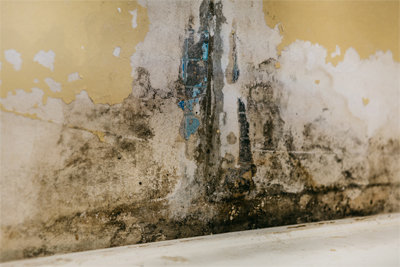
Identifing mold in an open area surface.
Most clients contact us when they observe surface discolorations in an occupied space. The surface is generally damp or dried out.
Discoloration(s) on a surface may or may not be mold. In one instance, a dark gooey substance was observed on the surface of a kitchen vent hood. The owner was horrified. He thought it was THE “black mold”. Subsequently the situation became an emergency. We were asked to take a surface sample and rushed it to a mold lab. The lab identified grease.
In another situation, a client observed splashes of multiple colors in their new residence. They thought it was a mold growth. No, if it had been mold, damp or dry, the suspect material could be lifted by a slight touch of your finger. Mold tends to smear like graphite. You will notice mold growth and/or spores on your finger. If it can’t be lifted, it is likely something else such as paint.
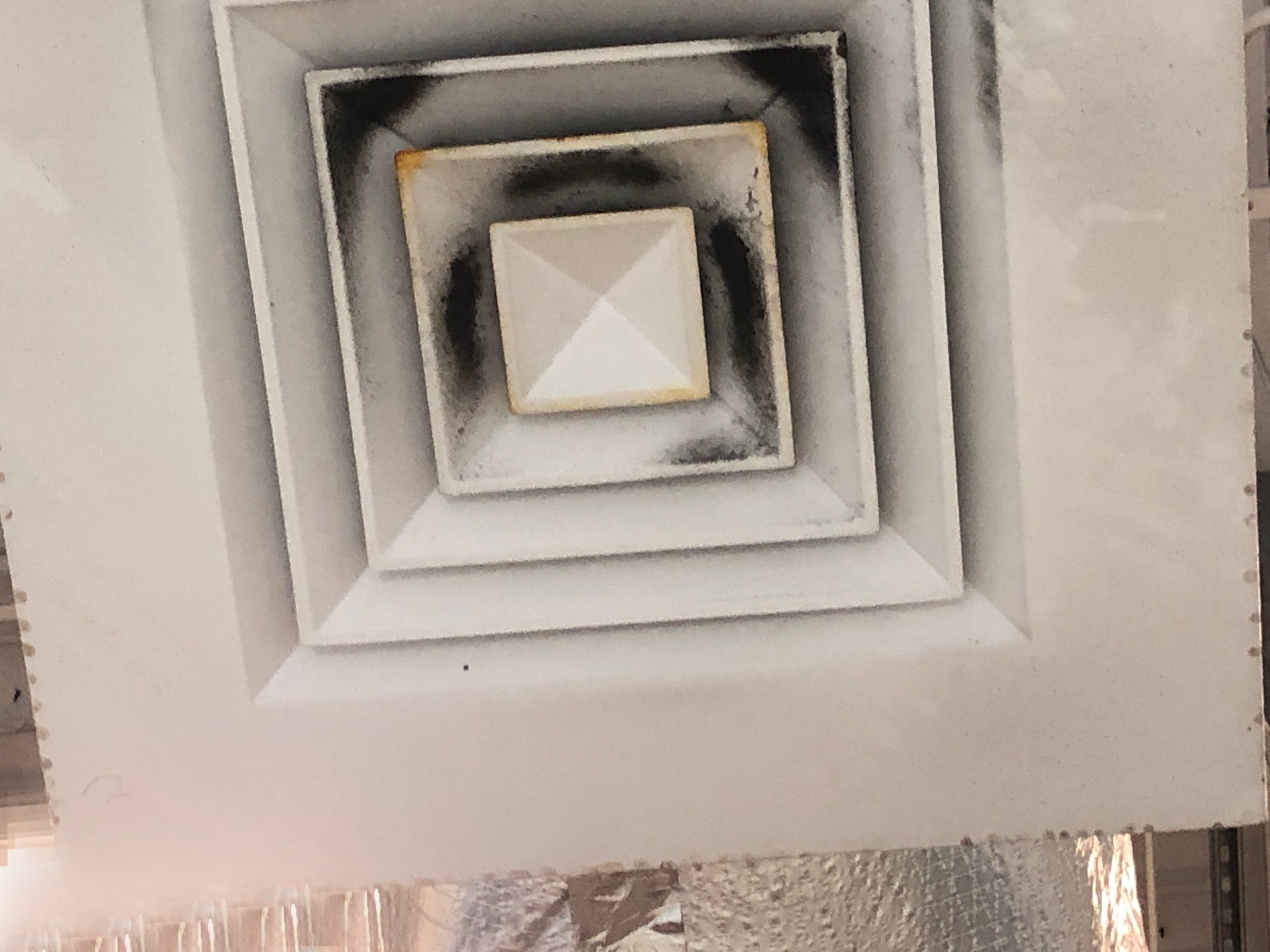
Visible evidence of mold growth within an air handling system.
